
Hair Transplant
Benefits of Hair Transplant in Bangalore
Understanding the key advantages of hair transplant highlights its effectiveness in achieving natural results and enhancing patient satisfaction.

Natural Appearance
Since your own hair is transplanted, the results look natural and blend seamlessly.

Permanent Solution
Transplanted hair is generally permanent and resistant to hair loss.

Low Maintenance
Once the transplanted hair grows, it requires no special care beyond normal hair hygiene.

Boosts Confidence
Restored hair can greatly improve self-esteem and appearance.
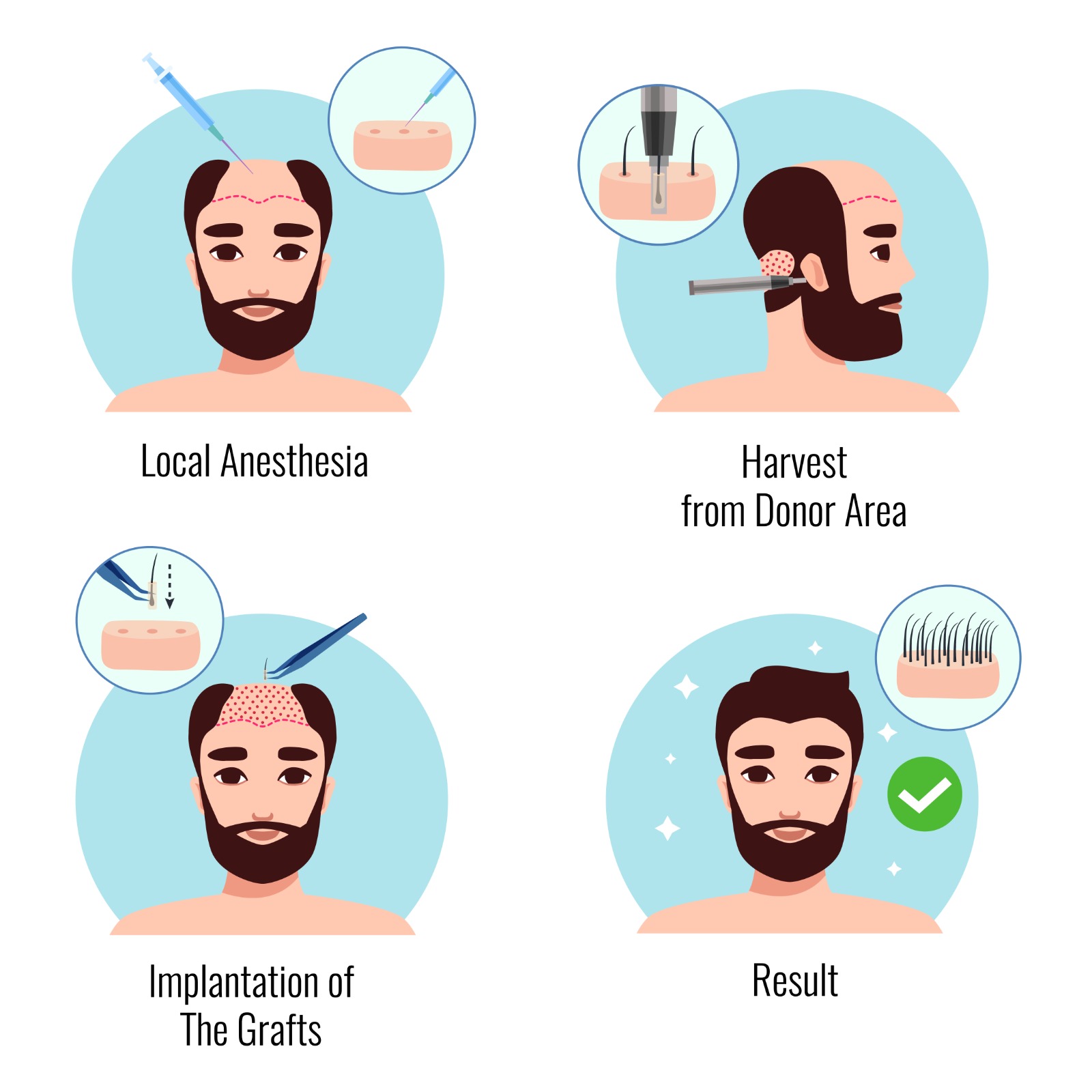
What is a Hair Transplant?
A hair transplant is a hair restoration procedure used to improve areas affected by hair thinning or pattern hair loss. During the procedure, healthy hair follicles are carefully taken from the donor area and placed into the recipient area where additional hair density is needed. The number of grafts required depends on the individual's hair loss pattern, donor hair availability, hairline design and desired coverage.
At Ultra Bio, hair transplant in Bangalore is planned based on an individual assessment to create a natural-looking and balanced result.
- Primarily used to treat male and female pattern baldness and other types of hair loss.
- Minimally invasive with results that typically look natural and require little downtime.
- Can improve appearance, boost confidence, and offer a long-term solution to hair loss. Read More
How Does Hair Transplant Surgery Work?
A hair transplant is a carefully planned surgical procedure designed to restore hair in areas affected by hair loss. The process involves several critical steps to ensure the transplanted hair looks natural and grows effectively
Consultation and Planning
The journey begins with a detailed consultation where the surgeon evaluates your hair loss pattern, scalp condition, and donor hair availability.
Read moreHarvesting Hair Follicles
Healthy hair follicles are carefully harvested from the donor area, typically the back or sides of the scalp, where hair is more resistant to balding.
Read morePreparing the Recipient Area
The balding or thinning areas are prepared by making tiny incisions or slits where the follicles will be transplanted.
Read moreTransplanting the Follicles
Harvested follicles are delicately placed into the prepared recipient sites. Precision and skill are essential to achieve a natural-looking hairline.
Read moreRecovery and Growth
fter the procedure, the scalp may experience mild swelling and redness. Transplanted hair initially falls out within a few weeks—this is normal and makes way for new growth.
Read morePost-Procedure Care and Maintenance:
Proper aftercare is crucial for the success of the transplant. Patients receive detailed instructions on washing, medication, and avoiding activities that may disrupt healing.
Read More